The Moment Everything Shifted
Last week, I sat in front of my editing suite with a familiar problem: I had an incredible idea for a cinematic video sequence, but no budget for traditional filmmaking. A few days ago, this meant spending hours wrestling with video generators that couldn't maintain character consistency, couldn't sync audio properly, and definitely couldn't produce the quality my brand demanded.
Then I tried Kling 3.0—and everything changed.
Within 30 minutes, I had generated a 15-second, multi-shot sequence with perfectly synced dialogue in three languages, character expressions that stayed consistent across cuts, and 4K resolution that looked professional enough for client work. I'm not exaggerating—Kling 3.0 AI video generation just revolutionized my entire workflow.
If you're a content creator, filmmaker, marketer, or anyone who works with video, you need to understand what Kling3.0 actually brings to the table. And more importantly, how it compares to what came before. Whether you call it Kling 3, Kling3, or Kling 3.0, this AI video generation tool is redefining what's possible for creators worldwide.
What Makes Kling 3.0 a Game-Changer?
Released on February 5, 2026, Kling 3.0—Kling AI's groundbreaking 3.0 model series including Video 3.0, Video 3.0 Omni, Image 3.0, and Image 3.0 Omni—isn't just an incremental update. It's a fundamental shift in what's possible with Kling 3.0 AI video generation.
Kling3 represents the maturation of AI-powered video creation. Here are the core upgrades that actually matter in Kling 3.0:
1. Native Audio Generation Across Multiple Languages
This is the Kling 3.0 feature that made me stop and say, "Wait, did that really just happen?"
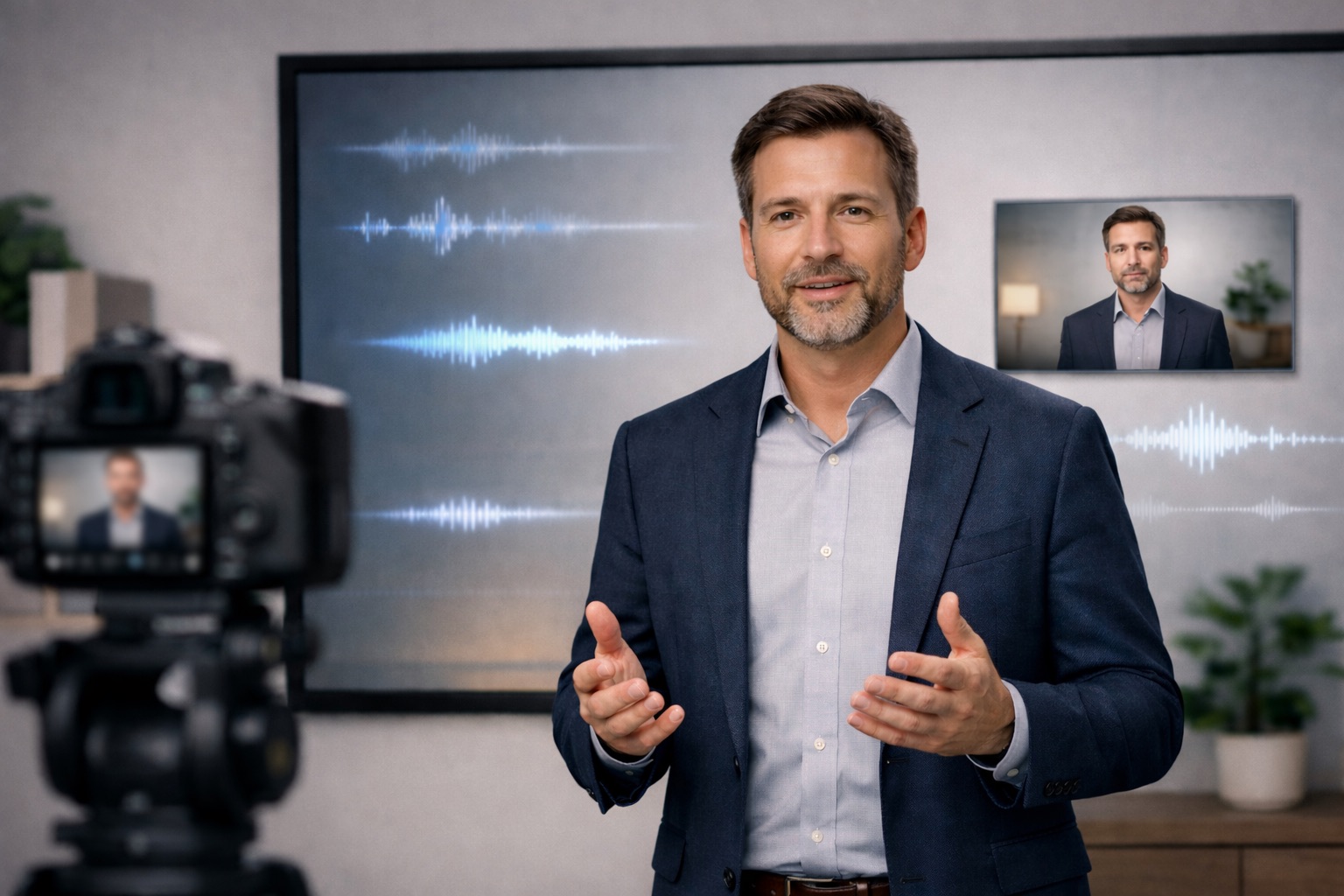
Kling3.0 now generates audio natively—not as a separate step. With Kling 3.0 AI video generation, you can:
- Generate speech in English, Chinese, Japanese, Korean, and Spanish
- Choose from multiple accents (American, British, Indian, etc.)
- Create complex multi-character dialogue scenes where each character speaks a different language
- Sync audio perfectly to video automatically
Why this matters: Before, you'd generate video, then hunt for voice actors or sound design. Now with Kling 3 integrated audio, it's one seamless workflow. I've already used Kling 3.0 to create promotional content in three languages without hiring a single voice actor. That's the power of modern Kling3.0 AI video generation.
2. Extended Video Duration with 4K @ 60fps
- Before: Kling 2.6 could manage short clips—we're talking seconds.
- Now with Kling 3.0: You get up to 15 seconds at native 4K resolution and 60fps.
That doesn't sound revolutionary until you realize what 15 seconds of Kling 3 output means: actual storytelling becomes possible. With Kling 3.0 AI video generation, multi-shot sequences, scene transitions, and character development are now practical. Not just visual experiments—real narrative cinema.
3. The Elements System (Character Consistency)
Here's the truth about old AI video generators: characters would drift. Same character, different shot, and suddenly they look completely different. It was maddening.
Kling 3 introduces the revolutionary Elements system in Kling 3.0:
- Upload a reference for your character in Kling3.0
- The AI extracts visual traits and voice characteristics
- Kling 3.0 AI video generation maintains that identity across multiple shots and scenes
- You can use multiple reference inputs for finer control in Kling 3
I tested Kling 3.0 by generating the same character across six different scenes. Every single one maintained visual consistency—something that was impossible with earlier versions. That's the Kling3 difference.
4. Multi-Shot Storyboard Feature
This is where Kling 3.0 starts feeling like professional filmmaking software. Kling3 includes:
With Kling 3.0 AI video generation, you can specify for each shot:
- Duration (1-5 seconds per shot)
- Camera movement and perspective
- Shot size (wide, medium, close-up)
- Narrative content and action
- Exact transitions
Result: Kling 3 generates cinematic sequences that flow naturally. Not just random video clips stitched together—this is where Kling 3.0 enters professional territory.
Kling 3.0 vs. Kling 2.6: The Real Differences
I'm going to be direct here because I see a lot of marketing hype online about Kling 3.0 vs its predecessor. Here's what actually changed between Kling 2.6 and Kling 3.0, and why Kling 3 represents such a massive leap forward in Kling 3.0 AI video generation:
| Feature | Kling 2.6 | Kling 3.0 |
|---|---|---|
| Video Length | 6-8 seconds | Up to 15 seconds |
| Resolution | 720p/1080p | Native 4K @ 60fps |
| Audio | Requires separate tools | Native generation + sync |
| Character Consistency | Poor (character drift) | Excellent (Elements system) |
| Multi-shot sequences | Not practical | Storyboard feature built-in |
| Language support | Limited | 6 languages + accents |
| Processing speed | Moderate | Faster with Omni variants |
The honest take: Kling 2.6 was a playground. Kling 3.0 is a professional tool. Kling3 has fundamentally transformed Kling 3.0 AI video generation from experimental to production-ready. That's the real difference.
How to Actually Use Kling 3.0 (Step-by-Step Tutorial)
This is where people get confused about Kling 3.0. Let me break down the real Kling 3.0 workflow and show you exactly how to use Kling3 effectively:
Step 1: Choose Your Platform for Kling 3.0
Kling 3.0 is available on multiple platforms, each optimized for different workflows:
- Higgsfield.ai (primary platform for Kling 3.0, free access available)
- fal.ai (integration-friendly for Kling 3.0 AI video generation, API access)
- InVideo (all-in-one video editor with Kling 3.0 built-in)
- ImagineArt (multi-prompt Kling 3 video generation)
Pick based on your workflow. I use Higgsfield for quick Kling 3.0 experiments and fal.ai for Kling3.0 integrations.
Step 2: Choose Video 3.0 or Video 3.0 Omni for Your Kling 3.0 Project
When using Kling 3.0 AI video generation, you have two options:
- Video 3.0 (basic): Great for single-shot or simple sequences with Kling 3.0. Faster processing.
- Video 3.0 Omni (advanced): Advanced reference-based Kling 3.0 generation. Better for complex narratives and character consistency. This is what I use 90% of the time with Kling3.
Step 3: Prepare Your Prompt for Kling 3.0
Here's what works with Kling 3.0 (based on community feedback and my own testing):
Formula for Kling 3.0: [Shot type] + [Character/Reference] + [Action/Narrative] + [Style/Mood] + [Technical specs]
Example that actually worked for me with Kling 3.0:
"Medium close-up shot of a professional presenter, wearing a blue blazer, speaking directly to camera with confident hand gestures. Warm office lighting, shallow depth of field, cinematic style. 4 seconds, smooth camera push-in, professional tone."
The more specific you are with Kling 3.0 AI video generation, the better the output. Kling 3 rewards detailed prompts.
Step 4: Use the Storyboard Feature in Kling 3.0 for Multi-Shot Sequences
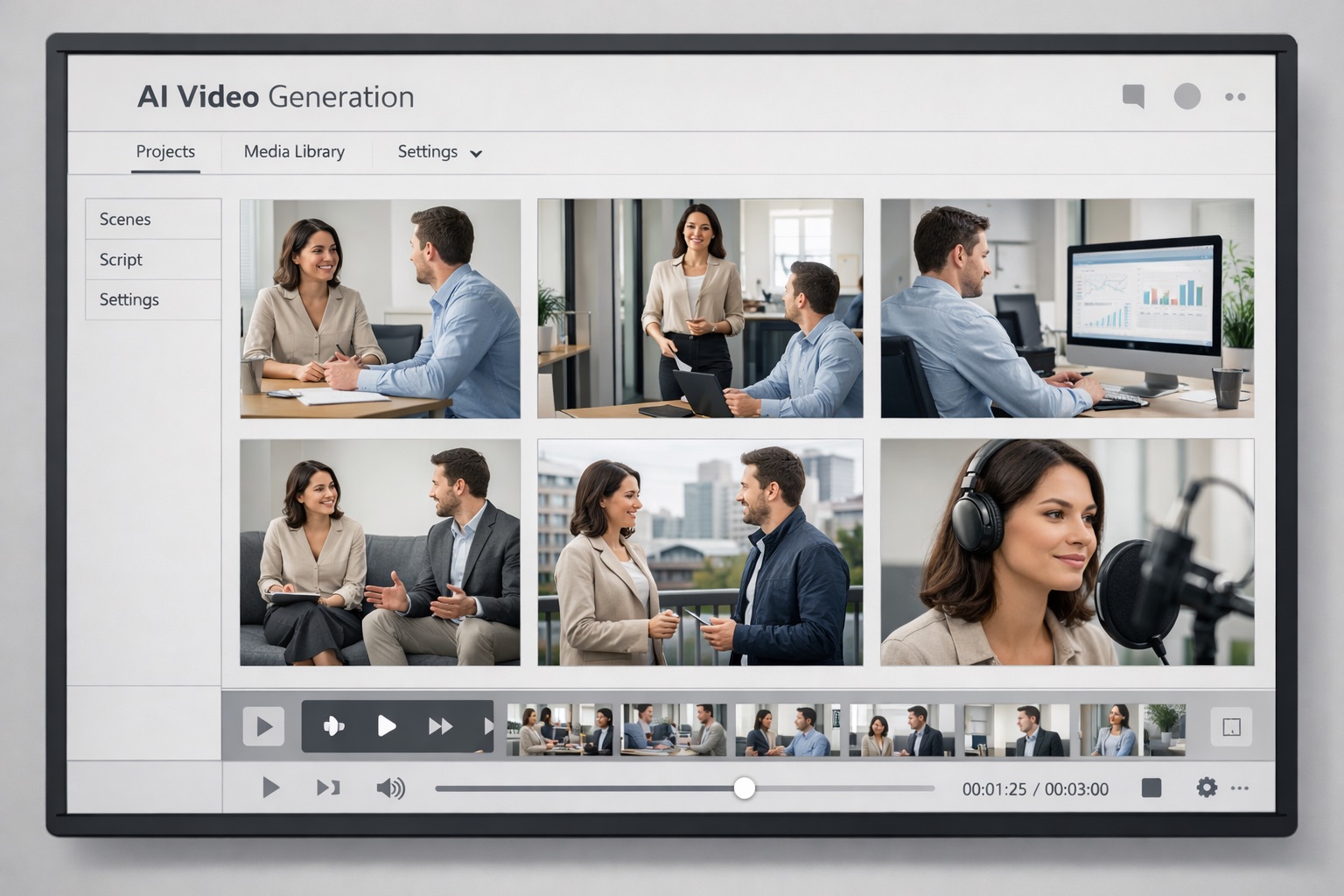
If you want a complete scene using Kling 3.0 AI video generation:
- Define Shot 1: Opening wide shot (3 seconds) in Kling 3.0
- Define Shot 2: Medium character reaction (4 seconds) in Kling 3
- Define Shot 3: Close-up detail or dialogue (3 seconds) in Kling3.0
- Define Shot 4: Wide establishing shot (3 seconds) in Kling 3.0
Kling 3.0 will generate all of them maintaining consistency throughout. This is where Kling 3.0 AI video generation truly shines for professional work.
Step 5: Add Native Audio with Kling 3.0
Once your Kling 3.0 video is generated:
- Specify the dialogue or narration you want in Kling 3.0
- Choose language and accent for Kling 3 audio
- Let Kling 3.0 AI video generation generate and sync the audio automatically
No separate editing step needed. Kling3 handles audio-video sync internally.
Step 6: Download and Refine Your Kling 3.0 Video (if needed)
Export in your preferred format from Kling 3.0. I rarely need to edit further—the quality from Kling 3.0 AI video generation is already professional-grade, which is why so many creators are switching to Kling 3 full-time.
The Twitter Hype Is Real: Community Consensus on Kling 3.0
I don't usually trust social media hype, but I checked the actual feedback about Kling 3.0, and it's remarkably consistent:
Jack Vs. AI (popular YouTube tech reviewer): "Currently the most powerful Kling 3.0 AI video model on the market."
Lokesh Kapoor (AI influencer): "Kling 3 and Kling 3.0 AI video generation is about to change content creation forever in 2026."
IBM Tech Studio: "Kling 3.0 is going to be the best video generating tool of 2026. Kling 3 changes everything."
These aren't random tweets—these are people who test Kling 3.0 tools professionally. When they agree on something, you notice.
The consensus: Kling 3.0 is the first AI video tool that feels production-ready, not experimental. Kling3 has finally arrived.
Bonus: Kling 3.0 + Nano Banana 2—The Secret Combo Creators Are Using
Here's something I discovered by experimenting with Kling 3.0 (and that's blowing up on creator Twitter): Combining Kling 3.0 with other AI tools like Nano Banana 2 for enhanced visual effects. This workflow elevates Kling 3.0 AI video generation to cinema quality.
The workflow:
- Generate base video with Kling 3.0: Get your core scene with proper lighting, composition, and audio from Kling 3
- Enhance with Nano Banana 2: Layer sophisticated visual effects, color grading, or upscaling on top of your Kling 3.0 output
- Result: Video quality that looks genuinely professional—beyond what Kling 3.0 AI video generation produces alone
This is bleeding-edge stuff, but if you're serious about AI-generated video production, combining Kling 3 with Nano Banana 2 is absolutely worth exploring. Top creators are already doing this.
The Real Questions: Is Kling 3.0 Worth Your Time?
I get this question from other creators about Kling 3.0. Here's my honest answer:
You should use Kling 3.0 if you:
- Create video content regularly (YouTube, TikTok, Instagram, LinkedIn) and want Kling 3.0 AI video generation in your workflow
- Need quick video generation without hiring a videographer (this is what Kling 3 does best)
- Work across multiple languages and need consistent character generation (a Kling 3.0 superpower)
- Want professional-quality output without the professional-quality price tag (the Kling3.0 promise)
You might not need Kling 3.0 yet if you:
- Only make text-based content
- Have a production team and unlimited budget
- Don't need video for your business
But honestly? Even if you're on the fence about Kling 3.0, it's worth a 30-minute experiment. The free Kling 3.0 access through Higgsfield is legit.
The Bottom Line: Kling 3.0 Changes Everything
Kling 3.0 isn't just another AI tool update—it's the moment when Kling 3.0 AI video generation became a viable, professional replacement for traditional filmmaking for most creators.
Native audio, character consistency, multi-shot sequences, 4K output, 15-second duration, multi-language support—these aren't nice-to-haves in Kling 3.0. They're the features that transform Kling 3 from a novelty into a legitimate production tool.
I went into this skeptical about Kling 3.0. I'm coming out convinced. My video creation workflow has fundamentally changed, and if you work with video in any capacity, your Kling 3 workflow should too.
Here's what I'd suggest: Go to Kling 3.0 AI, create a free account, and spend 30 minutes testing Kling 3.0 with a prompt from your own work. Generate one video with Kling 3.0 AI video generation. See what you think.
You'll understand immediately why everyone on Twitter and YouTube is talking about Kling 3.
Have you tried Kling 3.0 yet? What was your experience with Kling 3.0 AI video generation? Hit reply or drop a comment—I'm genuinely curious how Kling 3 is working for other creators. And if you find any interesting Kling 3.0 prompts or workflows with Kling 3, send them my way.